 PanPhonDee
How a special dividend differs from a regular one
A regular dividend is paid on a schedule the company keeps repeating under its stated policy. A special dividend is usually paid once or irregularly, and the announcement often says "special" or "in addition to the regular dividend".
Why it should not count as regular income
The next year may have no such payout. If you use a special dividend to calculate the year's yield, the figure will be too high and your plans will be off. See also a high dividend yield doesn't always mean a good stock.
How to tell if it is special
- Read the announcement to see whether it says special
- Compare with several years to see whether this year is well above normal
- Check where the money came from: a one-off profit or a sale of assets
If you receive a special dividend
The XD rule is the same: you must hold the stock before the XD date for that payout. The 10% withholding usually applies, just as with regular dividends. Check the company's announcement for the details.
FAQ
Does a special dividend affect whether I should buy now?
If it has just been announced, the price may already have moved on the news. Buying after the XD date does not get you that payout. See what an XD date is.
What if a company pays special dividends often?
If it pays them every year, check whether they have become a regular policy. Look at several years of history.
For information only. Not investment advice.
Read next
Check whether this year's dividend is regular or special
Open a stock's dividend history in the app to see what each year paid, so you can tell which payouts happened only once.
Download on the App StoreGoogle Play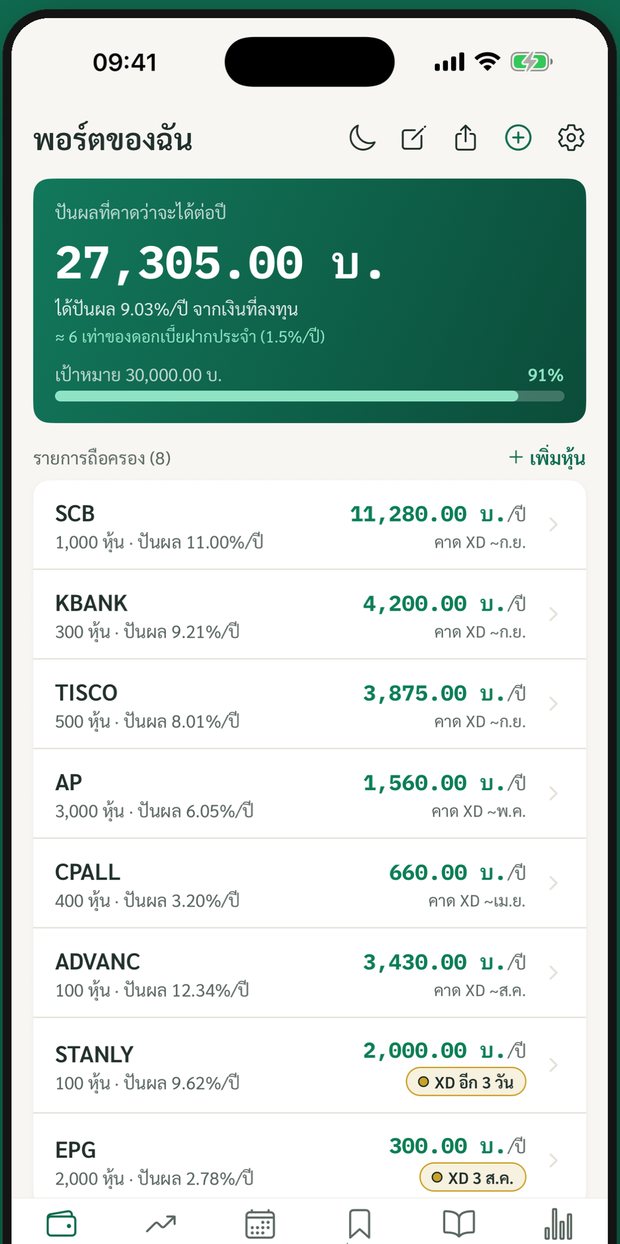
For information only. Not investment advice.